


Save money and stay comfortable with energy-efficient HVAC systems. Upgrading your heating and cooling systems can reduce energy waste, cut utility bills by up to $1,644 annually, and handle Colorado’s extreme weather effectively. Here’s what you need to know:
- Efficiency Ratings Matter: Look for high SEER (16+), AFUE (90%+), or HSPF (8.8+) ratings to lower energy use.
- Best System Options: High-efficiency furnaces, heat pumps (including cold-climate models), and ductless mini-split systems are ideal for Colorado’s climate.
- Smart Technology: Smart thermostats and zoning systems help manage temperatures efficiently, saving up to 30% on energy costs.
- Rebates and Incentives: Colorado offers up to $14,000 in rebates for energy-efficient upgrades, and VA loans can help military families finance new systems.
- Maintenance is Key: Seasonal tune-ups and targeted upgrades like humidifiers and duct sealing keep systems running efficiently.
Energy-efficient HVAC systems not only lower costs but also improve indoor comfort and reduce energy waste. Whether you’re upgrading or buying a new home, these systems are a smart investment for long-term savings and reliability.
4 Tips for Higher Efficiency from your HVAC System!
HVAC Efficiency Ratings and Standards
HVAC efficiency ratings play a crucial role in helping homeowners in Colorado make informed decisions to reduce energy costs while staying comfortable. These ratings assess how well HVAC systems convert energy into heating or cooling, which directly affects monthly utility bills and long-term operating expenses. Here’s a closer look at the key ratings that measure these efficiencies.
SEER, AFUE, and HSPF Ratings
When evaluating HVAC systems, three primary efficiency ratings come into play, each tailored to specific system types and their functions.
SEER (Seasonal Energy Efficiency Ratio) evaluates the efficiency of air conditioners by comparing the cooling output to the energy consumed during the cooling season. Older systems tend to have lower SEER ratings, while modern units rated SEER 16 or higher offer much better efficiency. For instance, upgrading to systems with SEER ratings of 20.5 can lead to noticeable energy savings. This is particularly beneficial during Colorado’s hot summers, where higher SEER ratings directly translate to reduced cooling costs.
AFUE (Annual Fuel Utilization Efficiency) measures how effectively a heating system converts fuel into heat. Traditional furnaces usually fall within the 70% to 80% AFUE range[1]. However, newer high-efficiency models can achieve AFUE ratings of 90% or more. This is especially critical in Colorado, where winters can be severe – especially in areas near Pikes Peak. Older furnaces, particularly those over a decade old, often lose efficiency over time, leading to higher energy consumption and increased heating costs during extended cold spells[1].
HSPF (Heating Seasonal Performance Factor) measures the efficiency of heat pumps, which provide both heating and cooling. Heat pumps are particularly valuable in Colorado’s unpredictable climate. Cold-climate heat pumps are designed to perform efficiently even in freezing temperatures. Systems with higher HSPF ratings offer better heating performance and lower operational costs. For example, the Colorado Home Energy Rebate Program provides up to $8,000 in rebates for cold-climate heat pumps and up to $3,000 for standard models used for space heating and cooling.
Investing in HVAC systems with higher SEER, AFUE, or HSPF ratings can lead to significant energy savings – up to 50% annually[1]. This is especially advantageous for military families relocating to areas like Fort Carson, Peterson Space Force Base, or the Air Force Academy, ensuring both comfort and cost-efficiency during Colorado’s extreme summer and winter conditions.
Modern HVAC systems also incorporate advanced features to enhance performance. Variable-speed compressors and ECM (Electronically Commutated Motor) motors adjust their output to match the home’s actual heating or cooling needs, rather than running at full capacity all the time[1]. These technologies not only improve energy efficiency but also lay the groundwork for smarter system upgrades in the future.
Selecting an Energy-Efficient HVAC System for Colorado
Colorado’s unpredictable climate demands HVAC systems that can handle scorching summers and frigid winters with ease. For military families near Fort Carson, Peterson Space Force Base, or the Air Force Academy, choosing the right system not only ensures year-round comfort but also helps cut down on utility costs. Let’s dive into the best HVAC options for Colorado’s unique weather conditions.
High-Efficiency Furnaces and Air Conditioners
While traditional furnace and air conditioner setups remain popular in Colorado, modern high-efficiency models have raised the bar in performance. These advanced systems boast up to 96% efficiency, significantly outperforming older models that typically operate at 70–80% efficiency. The result? Less energy wasted and noticeably lower heating bills during Colorado’s harsh winters[1].
Take, for example, an HVAC upgrade at Nellis Air Force Base, where 80%-efficient gas furnaces were swapped for cutting-edge 96%-efficient models. This upgrade also improved the SEER (Seasonal Energy Efficiency Ratio) from 16 to 20.5, showcasing a big leap in energy savings. For Colorado homeowners, such upgrades can make a real difference in both comfort and costs.
Heat Pump Systems
Heat pumps are a versatile option, capable of both heating and cooling your home using a single system. Unlike traditional furnaces that burn fuel to generate heat, heat pumps work by transferring heat from the air or ground, making them an efficient solution for Colorado’s fluctuating temperatures. This dual functionality is especially valuable for military families who require dependable performance throughout the year.
One of the standout features of heat pumps is their efficiency. By moving heat instead of creating it, they can deliver 3–4 times more energy than they consume. Modern cold-climate heat pumps are designed to operate efficiently even when temperatures drop as low as –13°F to –20°F, making them a strong contender against fossil fuel systems. To ensure optimal performance in Colorado, look for models with a minimum 15 SEER for cooling and 8.8 HSPF (Heating Seasonal Performance Factor) for heating.
Additionally, the Colorado Home Energy Rebate Program offers up to $8,000 in rebates for cold-climate heat pumps used for space heating and cooling. This financial incentive, coupled with predictable maintenance and warranty coverage, makes heat pumps an appealing choice for busy military families. For even more targeted comfort, ductless mini-split systems are worth considering.
Ductless Mini-Split Systems
Ductless mini-split systems are an excellent solution for homes that need flexible, efficient heating and cooling in specific areas. These systems consist of an outdoor compressor unit connected to indoor air handlers, which can be mounted on walls or ceilings. Each unit operates independently, allowing for personalized temperature settings in different rooms.
This level of control is ideal for military families, as it allows them to adjust heating and cooling based on individual needs while keeping energy costs in check[1]. Mini-splits are particularly useful for homes with unique layouts, such as finished basements, converted garages, or room additions. For families relocating to Colorado via PCS moves, this adaptability can make settling into a new home much smoother.
To make installation more affordable, local veteran-owned HVAC companies often provide service discounts for military families. This added benefit makes ductless mini-splits an even more attractive option for those seeking efficient, customizable comfort.
Smart Technology for HVAC Efficiency
Smart HVAC technology offers military families in Colorado an effective way to manage home comfort while cutting down on energy expenses. These systems are designed to adapt to your daily habits, respond to Colorado’s unpredictable weather, and avoid wasting energy on empty rooms – building on the energy-saving upgrades and cost reductions already discussed.
Smart Thermostats
Smart thermostats have transformed the way we control home temperatures by combining programmable settings, remote access, and energy tracking in real time. Unlike older thermostats that maintain a fixed temperature regardless of whether anyone is home, smart models adjust dynamically to your schedule and Colorado’s ever-changing weather.
These devices learn your routines and automatically tweak temperatures when you’re away or asleep. If your schedule is unpredictable, you can use a smartphone to make adjustments remotely. Imagine warming your home before returning on a cold winter night or cooling it down during an unexpectedly warm spring afternoon – smart thermostats make it possible.
What really sets them apart is their energy monitoring feature. They track your energy usage in real time, helping you identify ways to save. Many models even provide monthly reports that break down heating and cooling costs, showing how different settings impact your utility bills.
By upgrading to energy-efficient HVAC systems with smart controls, military families can cut monthly utility costs by 10-30%, depending on factors like the age of their previous system, usage habits, and Colorado’s climate. When paired with modern high-efficiency equipment, smart thermostats enhance savings even more – improving the Seasonal Energy Efficiency Ratio (SEER) from 16 to 20.5 and boosting heating efficiency from 80% to 96%.
Colorado’s unique climate makes these features particularly useful. The state’s high altitude, dry air, and sharp temperature swings between day and night demand HVAC systems that can adjust dynamically rather than sticking to static settings. Smart thermostats handle these challenges effortlessly, ensuring energy isn’t wasted while keeping your home comfortable around the clock.
For even greater control, zoning systems can work alongside smart thermostats to fine-tune the climate in specific areas of your home.
Zoning Systems
Zoning systems take smart thermostat benefits a step further by dividing your home into separate climate zones, each with its own thermostat and settings. Instead of heating or cooling the entire house, these systems let you focus on the areas you’re actually using.
The setup includes dampers and multiple thermostats that control airflow to each zone. For instance, military families can keep bedrooms and living areas comfortable during the evening while letting guest rooms, home offices, or basements stay at less energy-intensive temperatures. This targeted approach minimizes energy waste in unused spaces.
Zoning systems are particularly effective for Colorado homes because room temperatures often vary due to differences in sun exposure and insulation. South-facing rooms may overheat from intense sunlight, while north-facing rooms stay cooler. Zoning technology solves this issue by allowing adjustments for individual rooms instead of applying the same settings across the entire home.
Beyond energy savings, zoning systems offer practical benefits for families. Different members can set temperatures to their liking – kids who prefer cooler bedrooms won’t have to compromise with parents who enjoy a warmer sleeping environment. For homes with finished basements or converted garages, zoning ensures these spaces get the proper heating or cooling without overworking the system.
When paired with smart thermostats, zoning systems create a powerful, efficient climate control solution. Each zone can be programmed independently based on when it’s used, automatically reducing heating or cooling in empty areas during work hours or at night. This not only lowers energy bills but also reduces wear and tear on your HVAC system, extending its lifespan.
For military families moving to Colorado through PCS relocations, understanding the benefits of these advanced systems can make the investment worthwhile. Colorado’s unpredictable weather, rapid temperature changes, and year-round heating and cooling needs make adaptive climate control a smart choice. Together, smart thermostats and zoning systems ensure comfort and energy savings in every corner of your home.
sbb-itb-ac224c7
Financial Incentives and Rebates for Military Families in Colorado
Military families stationed in Colorado have access to various financial programs that can significantly reduce the cost of HVAC upgrades. State rebates and VA loan benefits are particularly helpful for those living near Fort Carson, Peterson Space Force Base, or the Air Force Academy. Let’s dive into the details of these savings opportunities.
Colorado Home Energy Rebate Program
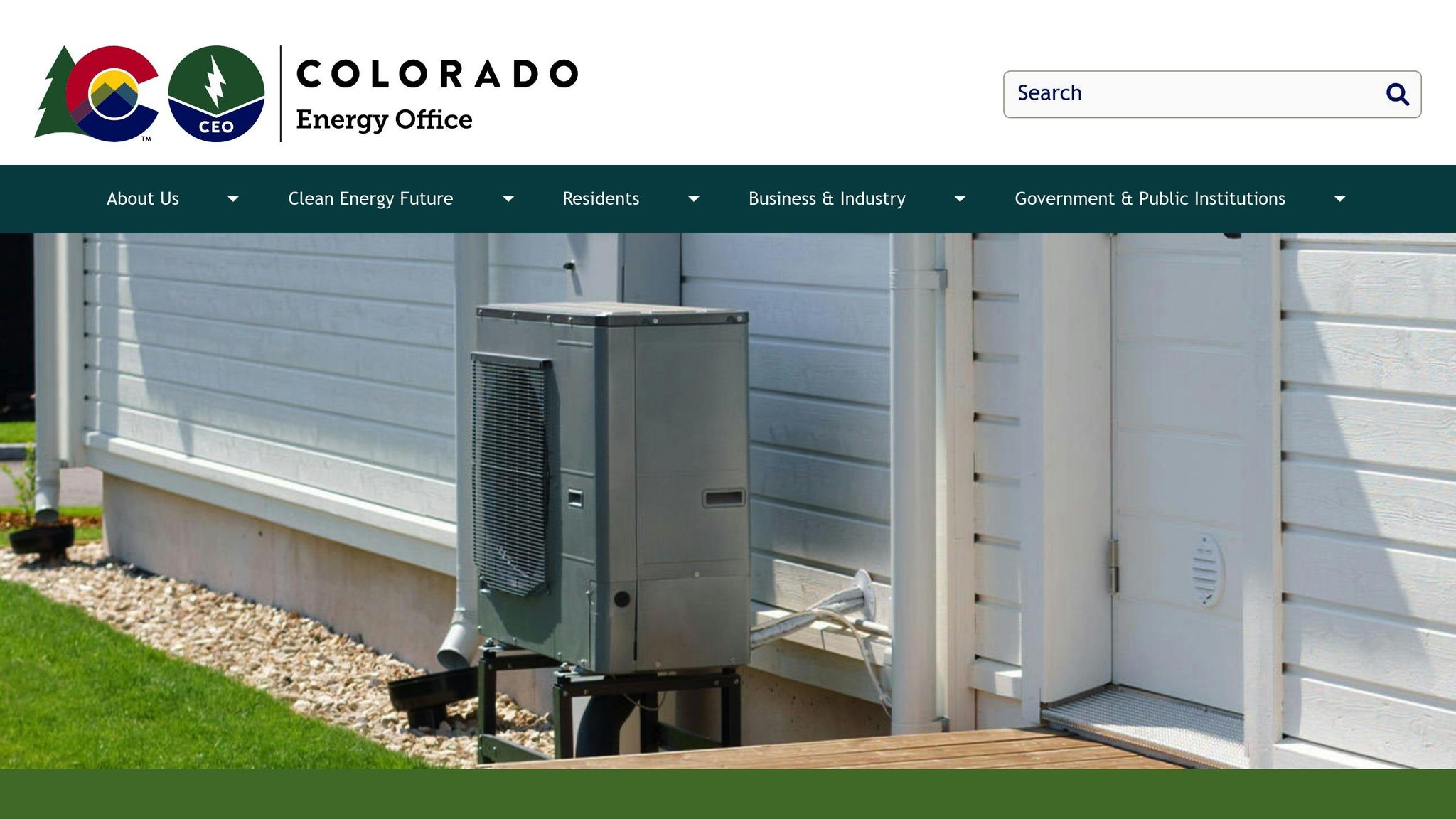
The Colorado Home Energy Rebate Program provides up to $14,000 in total rebates per household for energy efficiency improvements. Here’s a breakdown of the available rebates:
- Cold climate heat pumps: Up to $8,000
- Standard heat pumps: Up to $3,000
- Heat pump water heaters: Up to $1,750
- Insulation, air sealing, and ventilation improvements: Up to $1,600
- Electrical upgrades: Up to $4,000 for load centers, $2,500 for wiring, and $840 for kitchen appliances.
To maximize these rebates, military families should work with NATE-certified HVAC technicians who are familiar with the specific requirements of these programs. These professionals can handle essential documentation, such as proof of equipment specifications, installation dates, and energy efficiency ratings like SEER, AFUE, and HSPF.
Additionally, several veteran-owned HVAC companies in Colorado offer 10% discounts for active-duty service members and veterans. These businesses often provide affordable monthly financing options, making upgrades even more accessible.
VA Loan Benefits for Energy-Efficient Homes
For those purchasing new homes, VA loans offer a unique way to integrate energy-efficient HVAC systems into the financing process. This eliminates the need for separate upgrade costs and allows military families to take advantage of competitive interest rates.
One standout option is Tralon Homes, a leading builder in Colorado Springs with over 5,200 homes constructed across 48 subdivisions since 2009. As a VA loan-approved builder, Tralon Homes offers fixed interest rates starting at 3.75% for VA buyers. Their homes are designed with energy efficiency in mind, featuring tighter building envelopes, modern windows, and advanced HVAC systems – all included in the purchase price and financed through a single VA loan.
This financing approach spreads the cost of energy-efficient upgrades over 15- to 30-year terms, making it manageable and affordable. Often, any increase in the monthly mortgage payment is offset by reduced utility bills from day one. Plus, new construction homes typically come with comprehensive warranties, which help military families avoid unexpected maintenance costs during the early years of ownership – a key advantage for those with unpredictable duty schedules.
For families relocating to areas near Fort Carson, Peterson Space Force Base, or the Air Force Academy, Tralon Homes also offers valuable local insights. Their portfolio includes ranch-style and two-story single-family homes designed to meet the budgets and preferences of military families.
By combining VA loan benefits, energy-efficient construction, and Colorado’s robust rebate programs, military families can create a solid financial plan. Whether upgrading an existing home or purchasing a new one, these incentives help reduce utility bills, lower long-term costs, and build equity in a modern, energy-efficient property.
To ensure the best return on investment, consider warranty and maintenance costs alongside rebates. Energy-efficient systems often come with strong warranties that help maintain efficiency and control expenses over time.
Maintaining Energy-Efficient HVAC Systems
Even the most advanced HVAC systems can lose their edge without regular care. Routine maintenance not only keeps systems running smoothly but also helps military families avoid unexpected breakdowns, especially during Colorado’s unpredictable weather.
Routine Maintenance
To keep your system in top shape, schedule professional furnace tune-ups in September or October and central AC check-ups in April or May. These seasonal checks ensure your HVAC system is ready to handle Colorado’s temperature extremes.
If you’ve just moved into a new home, book a professional inspection within the first month. This initial check helps establish how well the system is performing, confirms warranty coverage, and identifies potential issues before they become costly headaches. Military families near Fort Carson, Peterson Space Force Base, or the Air Force Academy can benefit from local veteran-owned HVAC companies that understand their unique needs. Many of these companies offer perks like 10% discounts and flexible financing options. For example, Service by Veteran in Denver provides comprehensive heating and cooling services, including 24/7 emergency support – a lifesaver when your furnace gives out on a freezing night or your AC fails during a summer heatwave.
During routine check-ups, technicians clean system components, check refrigerant levels, inspect electrical connections, and test thermostat accuracy. Neglecting these tasks can lead to dirt buildup, forcing the system to work harder and use more energy. In Colorado’s harsh climate, this not only drives up utility bills but also makes it harder for your system to keep your home comfortable.
Military families, who often face frequent relocations and unpredictable schedules, should establish a maintenance routine right after moving in. Many HVAC companies offer maintenance plans that automatically schedule seasonal tune-ups, taking the stress out of remembering appointments during busy Permanent Change of Station (PCS) transitions.
If your system is 10 to 15 years old, struggles to maintain temperatures, or needs frequent repairs, it might be time to consider a replacement. While regular maintenance can extend a system’s life, older models often lack the efficiency of modern units, which could make replacement a smarter, more cost-effective option.
Beyond routine care, certain upgrades can make a big difference in performance and efficiency.
Additional Upgrades for Better Efficiency
In addition to regular maintenance, targeted upgrades can help your HVAC system perform better while improving indoor air quality. These enhancements work alongside your current setup to reduce energy use and enhance comfort.
- Whole-home humidifiers: Colorado’s dry mountain air can make homes feel colder in winter, forcing heating systems to work harder. Adding moisture to the air helps maintain comfort at lower thermostat settings, cutting heating costs while also protecting wood furniture and preventing dry skin.
- Air purifiers: These systems improve air circulation and reduce allergens, dust, and pollutants. Integrated with your HVAC, they filter air throughout the home, offering health benefits – especially for families with children or members who have respiratory sensitivities.
- Weatherproofing and insulation: Preventing conditioned air from escaping is key to HVAC efficiency. Colorado’s Home Energy Rebate Program offers up to $1,600 for insulation, air sealing, and ventilation upgrades. These improvements lower the strain on your heating and cooling systems, helping them maintain temperatures with less energy.
- Ductwork sealing: Even small leaks in ductwork can waste conditioned air, forcing your system to work harder and increasing energy costs. Professional duct sealing ensures air flows efficiently from the HVAC unit to every room.
Upgrading controls, like installing smart thermostats or zoning systems, can also improve efficiency by allowing more precise temperature management without constant manual adjustments.
For military families buying new homes from VA-approved builders like Tralon Homes, modern construction standards often include energy-efficient HVAC systems, tighter building envelopes, and advanced windows. These features reduce the need for immediate upgrades and provide long-term savings.
Conclusion
Energy-efficient HVAC systems bring a host of benefits to military families in Colorado, including lower utility costs, consistent indoor comfort, and a smaller environmental footprint. These modern systems are designed to automatically adapt to your home’s needs, reducing energy waste and cutting down monthly bills. They also maintain steady temperatures and humidity levels, ensuring a more comfortable living environment, even when the weather outside is unpredictable.
In addition to savings and comfort, these systems contribute to a greener lifestyle. By reducing reliance on fossil fuels, they help lower your home’s carbon footprint and improve indoor air quality. For example, heat pumps work by transferring heat instead of generating it, which minimizes combustion byproducts like carbon monoxide while using less energy overall. For military families, this aligns with values of service and responsibility, offering not only environmental benefits but also reduced dependence on the grid – an especially meaningful advantage for those serving the nation.
Tralon Homes reflects this commitment to energy efficiency by equipping every new home with modern HVAC systems tailored for comfort and savings. Since 2009, Tralon Homes has built over 5,200 homes across 48 subdivisions, adhering to current codes and incorporating energy-smart designs into each property. Their homes also come with warranty coverage, helping to minimize unexpected repair costs during the early years of ownership – a practical advantage for military families managing busy schedules. With specialized support for VA loans and PCS relocations, Tralon Homes has become a reliable choice for military families relocating to areas like Fort Carson, Peterson Space Force Base, and the Air Force Academy.
FAQs
What are the benefits of upgrading to an energy-efficient HVAC system in Colorado’s unique climate?
Upgrading to a more energy-efficient HVAC system in Colorado comes with several advantages that cater to the state’s unique climate. These systems are built to handle the extremes of Colorado’s cold winters and warm summers, keeping your home consistently comfortable while using less energy. The result? Lower utility bills and a reduced impact on the environment.
Beyond saving energy, these systems can also improve your home’s indoor air quality. They help regulate humidity levels and filter out pollutants – an essential feature in Colorado’s typically dry air. Plus, many energy-efficient HVAC models may qualify for tax credits or rebates, which can help offset the upfront cost. Over time, the energy savings combined with these incentives make upgrading a practical and worthwhile investment for homeowners seeking better comfort and efficiency.
What rebates and incentives are available for military families upgrading to energy-efficient HVAC systems?
Military families have access to a variety of rebates and incentives when upgrading to energy-efficient HVAC systems. For example, federal programs like the Energy Star Tax Credit can help offset the cost of installing high-efficiency heating and cooling equipment. On top of that, many local utility companies in Colorado offer rebates for energy-saving upgrades, including high-efficiency furnaces, air conditioners, and heat pumps.
To make the most of these opportunities, check with your utility provider and explore available state and federal programs. If you’re in the market for a new home, builders such as Tralon Homes often include energy-efficient designs in their construction. These features not only help lower energy bills over time but may also qualify for additional incentives.
What maintenance steps can help keep an energy-efficient HVAC system running smoothly for years?
To keep your energy-efficient HVAC system running smoothly, regular upkeep is a must. Start with the basics: replace air filters every 1-3 months. A dirty filter can block airflow, making your system work harder than it needs to.
Twice a year, schedule professional maintenance checks – ideally before summer and winter. These tune-ups can catch issues like low refrigerant, duct leaks, or thermostat problems before they become costly headaches.
Don’t forget about the outdoor unit! Clear away leaves, dirt, and other debris to ensure proper airflow. Also, inspect your home’s insulation and ductwork for gaps or leaks, sealing them up to avoid wasting energy. These straightforward steps not only help your system last longer but also keep it running efficiently, saving you money on energy bills in the long run.


