


Want to save on energy bills while staying comfortable in Colorado’s tough climate? Here are six practical upgrades for your home that can cut costs, improve efficiency, and reduce environmental impact:
- Advanced Insulation Systems: Save 20–30% annually on energy bills by upgrading insulation to reduce heat loss and drafts.
- Energy-Efficient Windows and Doors: Cut utility costs by up to 20% with Low-E glass, double/triple panes, and durable frames.
- Smart Thermostats: Automate heating/cooling adjustments and save $100–$150 annually with learning algorithms and remote control.
- Solar Panels: Harness Colorado’s 300+ sunny days to slash electricity bills and potentially eliminate grid dependency.
- Heat Pumps: Efficiently heat and cool your home in extreme temperatures, saving up to 50% on heating costs.
- Energy Star Appliances & Water-Saving Features: Reduce energy use by 10–50% and save up to $400 annually with efficient appliances and low-flow fixtures.
Quick Comparison:
| Feature | Annual Savings | Upfront Cost | Payback Period | Key Benefit |
|---|---|---|---|---|
| Advanced Insulation | $300–$600 | $1,000+ | ~2–3 years | Cuts drafts, improves comfort year-round |
| Energy-Efficient Windows | $465 | Varies ($200–$800/window) | ~5–10 years | Reduces heat loss and blocks UV rays |
| Smart Thermostats | $100–$150 | $100–$300 | ~1–2 years | Automates energy efficiency |
| Solar Panels | $10,000+ over 20 years | $14,400–$15,900 | ~7–10 years | Generates clean, renewable energy |
| Heat Pumps | $300–$1,000 | $3,000–$8,000 | ~5–8 years | Efficient heating and cooling |
| Energy Star Appliances | $200–$400 | Varies by appliance | ~5–7 years | Uses less energy and water |
These upgrades not only lower your bills but also make your home more comfortable and eco-friendly. Whether you’re a homeowner or a military family relocating to Colorado, these energy-saving features are smart investments for long-term savings and sustainability.
Simple Energy Efficient Home Upgrades: Lower Your Energy Bills and Save Money
1. Advanced Insulation Systems
Modern insulation technology has dramatically improved the energy efficiency of Colorado homes. With 89% of homes in the state under-insulated, upgrading to advanced insulation systems offers a practical and impactful solution.
Energy Efficiency Improvement
Advanced insulation acts as a powerful thermal barrier, significantly reducing heat transfer between your home’s interior and Colorado’s unpredictable outdoor climate. High-performance injection foam, for instance, boasts superior R-values, meaning it provides excellent resistance to heat flow. This is especially crucial in Colorado, where homes need to retain warmth in the winter and stay cool during the summer.
Beyond just controlling heat loss, these systems effectively seal air gaps, eliminating drafts and cold spots. This ensures consistent indoor temperatures year-round. For military families or others relocating to Colorado, this translates to immediate comfort without a lengthy adjustment period.
Some cutting-edge insulation systems even adapt in real time to maintain ideal indoor temperatures, reducing energy waste while maximizing comfort. These energy savings can significantly lower utility costs over time.
Cost Savings on Utilities
Advanced insulation doesn’t just improve comfort – it also delivers noticeable financial benefits. Properly installed insulation can slash energy bills by 20–30% annually.
“Insulation can be one of the most cost-effective ways to improve your comfort and energy bill.” – Advanced Insulation Solutions
Additionally, the U.S. Department of Energy reports that sufficient attic insulation alone can reduce energy consumption by 10% to 50%. These savings begin immediately after installation, making insulation a smart, long-term investment for Colorado homeowners.
Durability and Suitability for Colorado’s Climate
Colorado’s rugged weather – including heavy snow, strong winds, and hailstorms – demands insulation that can withstand extreme conditions. Advanced insulation systems are up to the challenge, offering superior moisture resistance and structural durability.
Closed-cell spray foam, for example, not only reinforces walls and roofs against harsh winter weather but also serves as a moisture barrier, preventing mold growth and ice dam formation. This added protection is critical during Colorado’s severe winters.
In 2024, Bestway Insulation showcased the effectiveness of these systems by conducting a full energy audit and insulation upgrade at Governor Jared Polis’ mansion, further demonstrating their reliability for high-profile properties in the state.
Environmental Impact Reduction
By reducing energy consumption, advanced insulation systems also help cut carbon emissions. For instance, fungi-based composite insulation could save homeowners $17.84 per month compared to traditional options, making it a sustainable choice.
For Colorado homeowners, these advanced insulation technologies offer immediate comfort, long-term savings, and a smaller carbon footprint. They align perfectly with the state’s commitment to energy efficiency and environmentally friendly building practices.
2. Energy-Efficient Windows and Doors
After advanced insulation, energy-efficient windows and doors are the next key components in creating a thermal shield for Colorado’s climate. These features act as a critical barrier against the state’s unpredictable weather. Unlike basic single-pane options, modern energy-efficient windows and doors use advanced technologies to improve thermal performance and handle Colorado’s challenging conditions.
Boosting Energy Efficiency
Energy-efficient windows are designed to minimize heat transfer, keeping indoor temperatures stable and reducing the strain on your HVAC system. They achieve this through technologies like multiple glazing, Low-E coatings, and inert gas fills. For example, Low-E glass can improve energy efficiency by up to 30% compared to standard glass. In Colorado, where winters are cold and summers can be scorching, windows with low U-factors and low Solar Heat Gain Coefficients (SHGCs) are ideal for maximizing energy savings year-round.
Double or triple-pane glass filled with Argon gas offers better insulation than air-filled spaces. When combined with Low-E coatings, these windows not only regulate heat but also block harmful UV rays – an essential feature in Colorado’s high-altitude environment. Proper professional installation ensures airtight seals, preventing energy loss and enhancing overall efficiency. Together, these windows and doors form a crucial part of any energy-saving plan for modern homes in Colorado.
Cutting Utility Bills
Switching from single-pane windows to energy-efficient models can reduce energy bills by as much as 20% annually. For Colorado homeowners, this translates to potential savings of up to $465 per year. With heat gain and loss through windows accounting for 25% to 30% of a home’s heating and cooling energy use, upgrading to Energy Star-qualified windows can cut annual energy bills by 7% to 15%, or approximately $71 to $501, depending on the type of window and location.
Built for Colorado’s Tough Climate
Colorado’s extreme weather conditions – ranging from freezing winters and intense UV exposure to freeze-thaw cycles and frequent hailstorms – demand durable windows. Energy-efficient windows are specifically designed to endure these challenges. For example, modern vinyl windows with insulated frames and Low-E glass can reduce heat loss by up to 30% in cold climates and typically last 20 to 30 years in Colorado homes. The material of the window frame plays a big role in both performance and lifespan.
| Frame Material | Durability | Maintenance | Energy Efficiency | Cost |
|---|---|---|---|---|
| Vinyl | High | Very Low | Excellent | Low |
| Fiberglass | Very High | Very Low | Excellent | Mid-High |
| Wood | Moderate | High | Excellent | High |
| Aluminum | Moderate | Medium | Poor (without thermal break) | Mid |
Fiberglass and wood windows are excellent choices for Colorado’s climate, offering durability and high performance. Vinyl windows, while more affordable, also deliver strong energy efficiency with minimal maintenance. For areas prone to hail, impact-resistant windows provide essential protection.
“Colorado’s climate is demanding – but high-quality vinyl windows are up to the challenge… your vinyl windows will reward you with comfort, durability, and long-term savings for years to come.” – Five Seasons Windows and Doors
Supporting a Greener Colorado
Energy-efficient windows do more than save money – they help reduce environmental impact. By lowering energy consumption, these windows contribute to a decrease in greenhouse gas emissions. Energy Star-certified buildings, for instance, use 35% less energy than typical buildings. Upgrading your windows reduces the strain on heating and cooling systems, cutting energy demand from the grid and shrinking your home’s carbon footprint.
For military families and others new to Colorado, investing in energy-efficient windows and doors offers immediate comfort, financial relief, and the confidence that your home is equipped to handle the state’s demanding weather. These upgrades are a smart move for anyone seeking long-term comfort and sustainability in Colorado’s unique environment.
3. Smart Thermostats with Climate Control
Smart thermostats go beyond the capabilities of traditional models by adjusting to individual habits and Colorado’s unpredictable weather. Unlike basic programmable thermostats that stick to rigid schedules, these devices use advanced learning algorithms to automatically fine-tune heating and cooling.
Energy Efficiency Improvement
Smart thermostats are designed to boost energy efficiency by learning your daily routines and temperature preferences. They dynamically adjust heating and cooling schedules to minimize energy waste, making them ideal for Colorado’s often dramatic temperature changes. Features like geofencing ensure your home isn’t being heated or cooled when no one is there, and many models can even preheat or precool your home before peak energy demand times. This reduces strain on the electrical grid while keeping your home comfortable. With Wi-Fi connectivity, you can control these devices remotely through your smartphone or computer. Plus, energy consumption reports offer insights and tips to help you save even more. These features align perfectly with other energy-saving measures, creating a more efficient and comfortable home.
| Feature | Smart Thermostat | Programmable Thermostat |
|---|---|---|
| Adaptive Scheduling | Adjusts dynamically | Fixed schedules |
| Remote Scheduling | Yes | No |
| Learning Capabilities | Yes | No |
Cost Savings on Utilities
Smart thermostats can make a noticeable difference in your energy bills, particularly in a state like Colorado where heating and cooling needs can vary widely. Homeowners could save between $100 and $150 annually on energy costs by switching to a smart thermostat. According to the Department of Energy, lowering your thermostat by 7°–10°F for just 8 hours a day can reduce heating and cooling costs by up to 10%. Smart thermostats automate these adjustments, often delivering annual energy savings of over 15%, compared to the 5–10% savings typically achieved with programmable models.
| Thermostat Type | Annual Savings (%) |
|---|---|
| Smart Thermostat | 10–15 |
| Programmable | 5–10 |
Durability and Suitability for Colorado’s Climate
Smart thermostats are particularly well-suited to Colorado’s high-altitude, dry climate and work seamlessly with advanced insulation and energy-efficient windows. They help maintain stable indoor temperatures despite sudden outdoor fluctuations. Before purchasing, confirm that your HVAC system is compatible, as older systems may require professional evaluation. For the best results, pair your smart thermostat with a high-SEER (at least 25 SEER) air conditioning unit and a two-stage furnace. To make the investment more affordable, many Colorado utility companies offer rebates, which can offset the upfront cost – typically $100 to $300 for the thermostat and $75 to $200 for installation.
Environmental Impact Reduction
Heating and cooling account for about 45% of a home’s energy use, so optimizing these systems with a smart thermostat can significantly cut energy consumption. Air conditioning alone makes up roughly 5% of total energy use in the U.S. and contributes to around 100 million tons of carbon dioxide emissions annually. In 2025, Ecobee launched a data-sharing initiative where users could anonymously donate energy usage data from over 200,000 homes. This effort supports research by universities, government agencies, and NGOs to develop better strategies for reducing energy consumption and promoting sustainability.
For military families and anyone relocating to Colorado, smart thermostats provide immediate comfort and long-term benefits. Their ability to automate efficiency, save money, and reduce environmental impact makes them an excellent addition to any Colorado home.
4. Solar Panel Systems
Solar panel systems are one of the smartest energy-saving investments for homeowners in Colorado. By converting sunlight into electricity, these systems can drastically cut down reliance on traditional grid power. In some cases, they can even generate enough energy to meet a household’s entire electricity needs.
Energy Efficiency Improvement
With nearly 275 sunny days and over 3,200 hours of sunshine each year, Colorado offers the perfect conditions for solar energy. The high altitude in the state enhances solar radiation, making solar panels even more effective.
For example, a standard 6kW system installed in Denver can produce around 9,000 kWh annually. Considering the average Colorado household uses about 663 kWh per month, a well-sized solar system can easily cover most – if not all – of a home’s electricity demands. Modern solar setups are designed for maximum efficiency, especially when tailored to match specific energy use patterns.
The key to achieving this efficiency lies in proper system sizing, using high-performance panels built for Colorado’s weather, and employing smart monitoring tools to track energy production.
Cost Savings on Utilities
The financial perks of solar panels in Colorado are both immediate and long-term. With electricity rates averaging 15.16¢ per kWh and monthly electric bills around $100.46, solar panels can significantly reduce or even eliminate these costs.
Savings depend on the system’s size and location. A 5kW system, for instance, can save a Colorado homeowner roughly $10,554 over 20 years. EnergySage estimates that over 25 years, savings could climb to $31,483 for an average system. After applying the federal tax credit, the average cost of a 5kW system is approximately $13,545, or $3.52 per watt.
Net metering programs add even more value. These programs allow homeowners to earn credits for any extra energy their system generates. According to Enphase, net metering can lead to monthly savings of 10–20%, helping to shorten the payback period and boost the overall return on investment.
Durability and Suitability for Colorado’s Climate
Colorado’s unique climate not only enhances solar energy output but also ensures the durability of solar panels. Panels installed in the state are built to endure extreme weather – they can withstand winds up to 140 mph and handle snow loads of up to 20 pounds per cubic foot. Cooler temperatures in Colorado also help maintain optimal panel performance, and monocrystalline panels are especially recommended for their efficiency and resilience in varying conditions.
To ensure long-lasting performance, it’s crucial to work with trusted solar installers, select panels with strong warranties, and schedule regular system maintenance. Simple tasks like clearing panels of debris and trimming overhanging branches can make a big difference in keeping the system running smoothly throughout the year.
Environmental Impact Reduction
Solar panels offer a cleaner alternative to fossil fuels, significantly cutting down on greenhouse gas emissions and reducing air and water pollution. As more households in Colorado transition to solar energy, the collective impact helps ease the strain on the electrical grid.
Colorado has embraced this shift toward renewable energy with supportive policies, such as 100% tax exemptions on property and sales taxes for solar installations. Ranking 12th nationwide for solar adoption, the state demonstrates its commitment to sustainable energy solutions.
For military families and other residents, solar panels provide not only energy independence but also protection against rising electricity costs. With an abundance of sunlight, strong financial incentives, and clear environmental advantages, solar panel systems are a smart and forward-thinking investment for Colorado homeowners.
sbb-itb-ac224c7
5. Heat Pump Systems for Cold Weather
After exploring other energy-saving solutions, let’s dive into heat pump systems – an effective way to keep Colorado homes warm while cutting down on energy costs. Cold climate heat pumps (CCHPs) are designed to extract heat from the outdoor air – even in freezing temperatures – making them a reliable option for Colorado’s notoriously cold winters.
How Heat Pumps Improve Energy Efficiency
CCHPs work by transferring heat instead of generating it, which allows them to deliver 3 to 4 times more energy than they consume. Even in extremely cold conditions, these systems operate efficiently due to advanced features like variable-speed compressors, fans, and vapor injection technology. Some models are built to function effectively in temperatures as low as –20°F, while others perform well down to –13°F. For homes that are well-insulated and properly sealed, heat pumps use significantly less energy than conventional heating methods. This efficiency directly translates to lower energy consumption and noticeable savings on utility bills.
Utility Cost Savings with Heat Pumps
Switching to a heat pump system can reduce electricity use for heating by nearly 50% compared to electric resistance systems like baseboard heaters or furnaces.
| Traditional Heating System | Annual Utility Cost | Estimated Savings with Heat Pump |
|---|---|---|
| Electric Heating and Air Conditioning | $1,200 – $1,800 | $300 – $900 |
| Gas Heating and Air Conditioning | $1,500 – $2,250 | $525 – $1,463 |
| Boilers and Radiators | $1,800 – $2,700 | $720 – $1,890 |
| Baseboard Heaters | $1,200 – $1,800 | $360 – $1,080 |
On average, households in the U.S. can save around $370 annually by switching to a heat pump. For those replacing older, less efficient systems such as fuel oil or propane heaters, the savings can climb to nearly $1,000 per year. Take Jerome Edgington from Leicester, Massachusetts, for instance. After installing a mini-split heat pump system in 2019, he reported saving about $150 per month during the coldest months.
Built for Colorado’s Harsh Winters
CCHPs are specifically designed to handle Colorado’s unpredictable weather. Thanks to variable-speed inverter technology, these systems can adjust their output to keep indoor temperatures steady. A 2023 study revealed that heat pumps are twice as efficient as fossil fuel systems in cold climates, and a 2024 report found that 95% of households using CCHPs saw reductions in their utility bills. To keep these systems running smoothly, annual professional maintenance is essential. This ensures any potential issues are addressed early, maintaining peak performance throughout the winter months. Their durability and efficiency make them a dependable choice for Colorado homeowners, while also helping to reduce energy costs.
Reducing Environmental Impact
Heat pumps are not only cost-efficient but also environmentally friendly. They significantly cut greenhouse gas emissions by reducing the need for natural gas or oil. If powered by renewable electricity, they can further shrink a home’s carbon footprint. On top of that, installing a cold climate heat pump can increase property value by 4–7%, making it a smart investment for both the planet and your wallet. For Colorado residents looking to combine sustainability with savings, heat pumps are a win-win solution.
6. Energy Star Appliances and Water-Saving Features
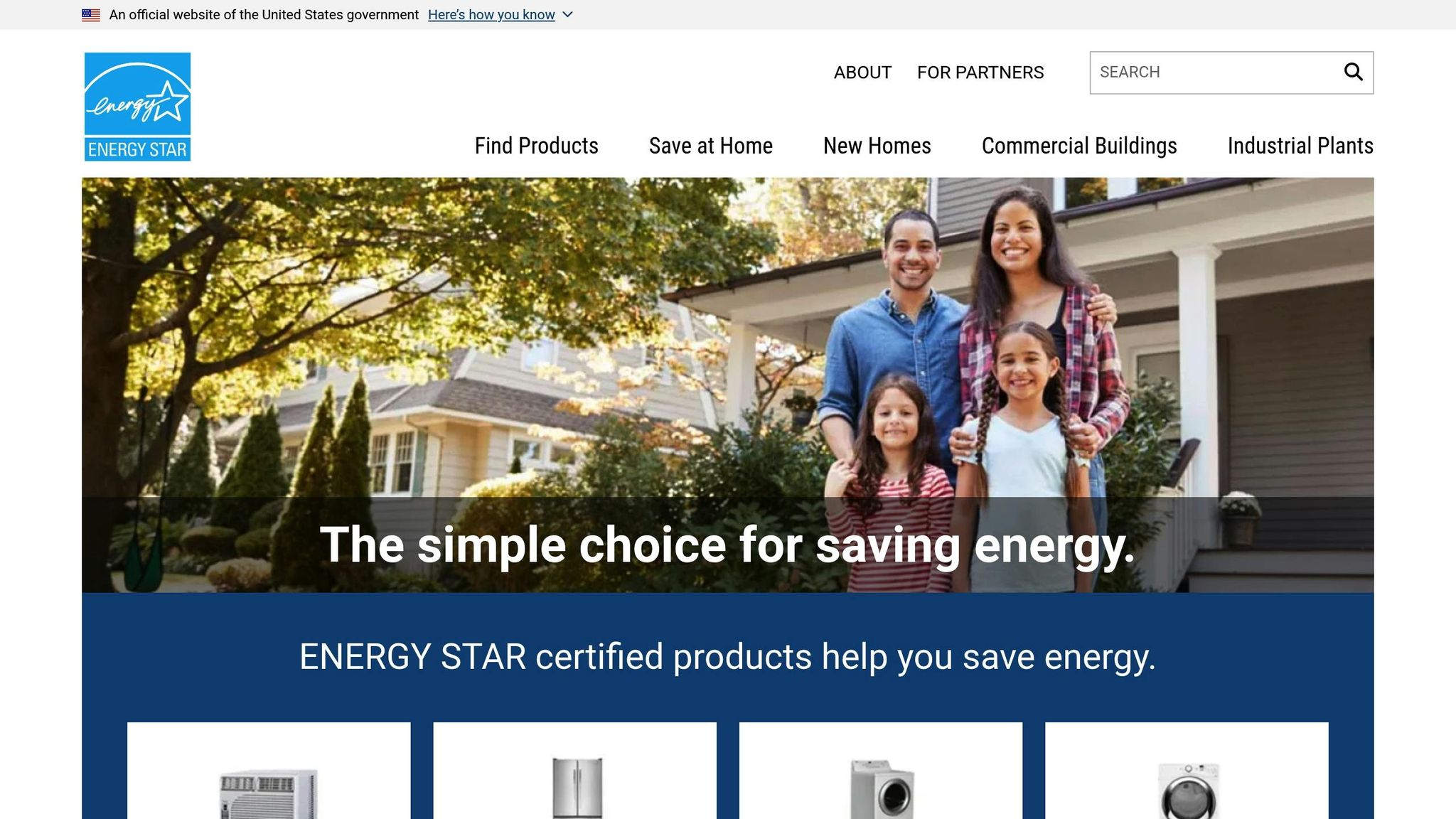
Switching to Energy Star appliances and incorporating water-saving fixtures can make a big difference in energy use and efficiency. These EPA-certified products are designed to use less energy and produce fewer greenhouse gas emissions than standard options, making them a smart choice for Colorado homeowners aiming to reduce utility costs and their environmental footprint.
Boosting Energy Efficiency
Energy Star appliances are built to optimize energy use, helping you cut down on electricity consumption throughout your home. For instance, Energy Star refrigerators consume about 15% less energy compared to non-certified models. Similarly, energy-efficient washing machines use roughly 25% less energy and 33% less water per load.
When shopping for appliances, keep an eye out for the Energy Star label and review the Energy Guide. This guide provides details about energy consumption and estimated yearly operating costs. Selecting appliances that suit your home’s size and energy needs ensures you get the most out of these efficiency upgrades, which ultimately leads to noticeable savings on your utility bills.
Saving Money on Utilities
The financial perks of Energy Star appliances are hard to ignore. These appliances can reduce energy usage and costs by 10 to 50 percent, according to Colorado Energy Analysts. On average, homeowners can save between $200 and $400 annually on utility bills when using Energy Star-certified products.
Water-saving features amplify these savings. For example, installing a single low-flow showerhead can help the average family conserve about 2,900 gallons of water each year. Similarly, upgrading from older toilets (which use up to 8 gallons per flush) to modern low-flow models (1.28 gallons per flush) greatly reduces water usage.
| Water-Saving Feature | Water Usage | Annual Savings Potential |
|---|---|---|
| Low-Flow Showerhead | 2.5 gallons per minute or less | 2,900 gallons per year |
| Low-Flow Toilet | 1.28 gallons per flush | Up to 13,000 gallons/year |
| Energy-Efficient Washing Machine | 18–20 gallons per load | 4,000–8,000 gallons/year |
Military families moving to Colorado can also benefit from exclusive discounts. For example, Lowe’s offers a 10% military discount on most full-price items, and GE Appliances provides financing options making room for more with 0% APR for 24 months. These savings, combined with reduced energy and water consumption, make upgrading even more appealing for those looking to create an efficient and sustainable home.
Designed for Colorado’s Climate
In Colorado’s semi-arid environment, water conservation is a top priority. Landscaping alone accounts for about 38% of municipal water use in the state. For example, maintaining Kentucky bluegrass – a common lawn choice – requires 20 gallons of water per square foot from April through October in Colorado Springs. Given these conditions, water-efficient appliances and fixtures are vital for keeping utility costs under control.
Smart irrigation systems are another excellent option for Colorado homeowners. These systems adjust watering schedules based on weather and soil conditions, helping to prevent overwatering. Additionally, using mulch can cut irrigation needs by up to 50%.
Reducing Environmental Impact
The benefits of Energy Star appliances and water-saving features extend beyond just cost savings – they also contribute to a healthier planet. Household leaks alone can waste nearly 10,000 gallons of water annually.
The Costa Family from Dallas, Texas, shared their experience with energy-efficient upgrades:
“Choosing an ENERGY STAR home has made a significant difference for us. Our first electric bill was extremely low – we love the savings! And knowing that we have an energy-efficient home we can live in for years is so comforting.”
Simple steps, like switching to LED bulbs, washing clothes in cold water, and running dishwashers only when full, can further reduce your environmental footprint. Additionally, Colorado enforces strict standards by prohibiting the sale of low-efficiency plumbing fixtures that don’t meet the EPA’s WaterSense certification, ensuring all new installations are efficient.
Feature Comparison Table
When deciding on energy-saving upgrades for your Colorado home, it’s helpful to compare features based on performance, cost, and benefits. Below is a breakdown of key options with the latest performance data:
| Feature | Performance Rating | Upfront Cost | Annual Savings | Payback Period | Colorado-Specific Benefits |
|---|---|---|---|---|---|
| Advanced Insulation | Attic: R‑49, Walls: R‑18, Floors: R‑25 | $1,000 | $300 | 2.3 years | Designed for Colorado’s climate with optimal insulation levels |
| Energy‑Efficient Windows | U‑Factor ≤0.30, SHGC 0.32–0.40 | – | – | – | Combines heat blocking with passive heating for solar exposure |
| Solar Panel Systems | 4.8–5.3 kW capacity | $14,400–15,900 | – | – | Leverages over 300 sunny days to maximize energy output |
| Heat Pump Systems | Minimum 15 SEER, 8.8 HSPF | – | – | – | Meets 2023 federal efficiency standards |
Key Takeaways
Insulation and Air Sealing
Investing in advanced insulation provides the quickest return, with a payback period of just 2.3 years. This is a smart starting point for reducing energy demand before adding high-efficiency systems. According to Colorado State University clean energy specialist C. Weiner, “The whole house approach can dramatically reduce energy expenses in the long term”. Proper insulation paired with air sealing can cut heating and cooling costs by as much as 15%, with lifetime savings reaching up to $7,200.
Windows Tailored for Colorado
Choosing windows with a U-Factor of 0.30 or lower ensures strong insulation during cold spells, while an SHGC between 0.32 and 0.40 balances heat blocking with passive solar heating benefits. This balance is particularly important in Colorado’s climate, where sunny winters can provide natural warmth.
Energy-Efficient Heat Pumps
Upgrading to a system with a minimum of 15 SEER and 8.8 HSPF ensures compliance with federal standards and offers a strong combination of efficiency and cost-effectiveness. For example, replacing a 10 SEER AC unit with a 14 SEER model can lower cooling costs by about 30%. Systems rated between 14 and 18 SEER are well-suited for Colorado summers, offering reliable cooling while keeping energy bills manageable.
Solar Panels in the Sunshine State
Solar panel systems are a big win in Colorado, thanks to its 300+ sunny days each year. A home using 8,000 kWh annually would need a 5.3 kW system costing around $15,900. However, improving efficiency by just 10% could reduce the required system size to 4.8 kW, lowering the cost to approximately $14,400. This makes solar panels an excellent option for long-term savings.
Conclusion
From advanced insulation to smart appliances, every improvement plays a role in creating homes that stand up to Colorado’s unique climate. These energy-efficient upgrades not only cut down on utility bills but also boost comfort and promote eco-friendly living. For homeowners across the state – including military families navigating the challenges of frequent relocations – these advancements offer both immediate benefits and long-term financial rewards.
The cost savings alone make these upgrades a smart investment. Energy-efficient appliances, for example, can lower a household’s energy consumption by up to 30%, providing much-needed financial relief for military families and others.
Beyond reducing bills, these upgrades contribute to healthier and quieter homes. Features like double-pane windows and spray foam insulation not only enhance energy efficiency but also minimize outside noise, creating peaceful and comfortable living spaces for families across Colorado.
Colorado’s environmental goals further highlight the importance of these improvements. The state is working toward cutting greenhouse gas emissions by 26% by 2025 and 50% by 2030 compared to 2005 levels. Additionally, new appliance efficiency standards are projected to save an impressive 942 million gallons of water annually within the state. As Kirsten Schatz from CoPIRG explains, “The Biden administration’s updated appliance efficiency standards will help Coloradans live longer, healthier lives”.
“We are trying to fulfill that commitment we have to Soldiers and their Families to give them quality places to live so their service member can do the difficult, dangerous tasks we ask them to do as part of the United States Army.” – Major General David Doyle
For military families who may need to relocate again, energy-efficient homes also provide the added benefit of increased resale value.
Whether you’re a first-time buyer, part of a growing family, or a military family settling into Colorado, these energy-saving features offer a blend of comfort, cost efficiency, and environmental responsibility. In Colorado’s distinct climate, these upgrades aren’t just nice to have – they’re a smart choice for any homeowner.
FAQs
What are the upfront costs and long-term benefits of installing solar panels in Colorado homes?
Installing solar panels in Colorado comes with an upfront cost of around $17,800 for a 4.9 kW system. However, applying the federal investment tax credit (ITC) can bring that cost down to about $12,500. On average, homeowners in the state pay $3.41 per watt for solar installations. Most people see a return on their investment in roughly 11 years, and since solar systems typically last at least 25 years, there’s plenty of time to enjoy the benefits.
In the long run, solar panels can lead to substantial savings on electricity bills. Depending on your energy usage and system size, lifetime savings could range from $31,000 to $100,000. For example, a household with a monthly electricity bill of $150 might save around $82,000 over three decades. Thanks to Colorado’s plentiful sunshine and the incentives available, installing solar panels is a smart way to cut energy costs and boost savings.
How do smart thermostats help Colorado homeowners save energy in a climate with wide temperature swings?
Smart thermostats have transformed how we approach energy efficiency, especially in Colorado, where the weather can change in the blink of an eye. These devices are designed to learn your heating and cooling habits, making automatic adjustments that help save energy without compromising your comfort. In fact, they can cut heating and cooling costs by 8-15% annually – an impressive way to keep your utility bills in check.
Colorado’s unpredictable temperature swings make flexibility essential, and smart thermostats rise to the occasion by adapting to real-time weather conditions. Many models also feature geofencing, which adjusts your home’s temperature based on whether you’re there or away. This means no wasted energy while your house is empty and a cozy, welcoming environment when you return. For Colorado homeowners, it’s a win-win: a comfortable living space and reduced energy expenses all year long.
What are the cost and environmental benefits of using Energy Star appliances in your home?
Energy Star appliances are built to consume 10% to 50% less energy compared to standard models. This means noticeable savings on your monthly utility bills. Over time, these reductions can add up, making Energy Star appliances a wise choice for homeowners aiming to lower expenses while conserving energy.
But the benefits go beyond just saving money. Energy Star appliances play a role in protecting the environment by cutting down greenhouse gas emissions and preserving natural resources. By using less energy, these appliances help promote cleaner air and support a healthier planet – an eco-conscious option that fits seamlessly into any home.


