


For families looking to save on energy costs while improving home comfort, energy-efficient upgrades are a smart choice. From better insulation to solar panels, these improvements can reduce utility bills, stabilize indoor temperatures, and even boost property value. Military families in Colorado, especially those near Fort Carson or Peterson Space Force Base, benefit greatly from reliable, low-maintenance energy-efficient homes. Here are the top upgrades to consider:
- Solar Panels: Leverage Colorado’s abundant sunshine to cut electricity costs and enjoy backup power during outages. Federal tax credits and net metering make this a cost-effective long-term investment.
- High-Efficiency HVAC Systems: Save 20–50% on heating and cooling costs with systems designed for consistent temperatures and better air quality.
- Insulation and Air Sealing: Reduce drafts, maintain steady indoor temperatures, and lower energy bills by up to 15%.
- LED Lighting and ENERGY STAR Appliances: Use less energy, generate less heat, and enjoy quieter operation with these simple upgrades.
- High-Performance Windows and Doors: Prevent energy loss, reduce noise, and protect against UV rays with advanced materials.
- Smart Home Energy Management: Automate and optimize energy use with smart thermostats, power strips, and lighting systems.
- Efficient Water Heating: Tankless and heat pump water heaters provide reliable hot water while cutting energy waste.
These upgrades, especially when combined, can deliver long-term savings and improved comfort for any home. For new builds, builders like Tralon Homes integrate these features into their designs, offering move-in-ready energy-efficient living tailored to Colorado’s climate.
8 MORE Tips To Boost Your Home’s Energy Efficiency
1. Solar Panel Systems
Solar panels are one of the smartest energy upgrades for families in Colorado. With the state’s plentiful sunshine throughout the year, these systems can significantly cut down electricity bills while offering reliable power for decades.
Energy Savings Potential
Colorado homeowners often experience noticeable reductions in their monthly energy costs thanks to the electricity generated by solar panels. On top of that, Colorado’s net metering program allows homeowners to earn credits for any extra electricity their panels produce. These credits can help balance out energy costs during times of higher electricity use.
Federal tax incentives, like the Investment Tax Credit (ITC), sweeten the deal even further. This program lets homeowners deduct a portion of their solar installation costs from their federal taxes. Together, these financial perks make solar energy not only a cost-saving solution but also a smart long-term investment.
Comfort Improvements
Solar panels do more than just generate electricity – they can also make your home more comfortable. By shading your roof, solar panels help keep attic temperatures lower, which reduces the strain on your air conditioner during the hot summer months. Pairing solar panels with battery storage systems adds another layer of convenience, offering a backup power source during outages to keep essential systems running smoothly.
Cost-Effectiveness
While the upfront cost of installing solar panels can vary, most homeowners find that they recover their investment within a few years, enjoying significant savings in the long run. Programs like Colorado’s Property Tax Exemption for Renewable Energy ensure that installing solar panels won’t increase your property taxes, and many homeowners even see a boost in their home’s value. Flexible financing options – including loans, leasing plans, and power purchase agreements – make it easier to switch to solar without needing a large upfront payment. This flexibility means solar panels are a practical choice for a wide range of households.
Suitability for New and Existing Homes
Solar panels work well for both newly built homes and older ones. New constructions can be designed with optimal roof orientation for maximum efficiency, while existing homes benefit from professional assessments to determine the best placement. Homes with roofs that get plenty of sunlight and have minimal shading are ideal for solar installations, but even less-than-perfect conditions can still lead to meaningful savings with the right setup.
2. High-Efficiency HVAC Upgrades
Did you know that heating and cooling account for about 50% of a home’s energy use? That’s a significant chunk of your utility bill! Upgrading to a high-efficiency HVAC system can help cut these costs while ensuring your home stays comfortable no matter the season. These systems are not just about saving energy – they also make your living space more enjoyable.
Energy Savings Potential
High-efficiency HVAC systems are designed to use less energy without compromising performance. They achieve this through features like variable speed motors, smart thermostats, and advanced heat exchangers. Systems with a SEER rating of 16 or higher and an AFUE above 90% can lower energy bills by 20–30%.
"According to the U.S. Department of Energy, upgrading to a high-efficiency system can save homeowners between 20% and 50% on heating and cooling costs." – U.S. Department of Energy
For many families, that translates to hundreds of dollars in annual savings. In states like Colorado, where both heating and cooling are heavily used, the financial benefits can be even greater.
Comfort Improvements
Energy savings are just part of the story. High-efficiency HVAC systems also deliver a better indoor experience. Thanks to variable speed motors, these systems adjust output based on your home’s needs, keeping temperatures consistent and eliminating those annoying hot or cold spots.
Smart thermostats take it a step further, learning your schedule and preferences to automatically fine-tune the temperature for maximum comfort and efficiency. Plus, these systems operate more quietly and can better control humidity, creating a more pleasant and balanced indoor environment.
Cost-Effectiveness
It’s true that high-efficiency systems come with a higher upfront cost, but they often pay for themselves over time through reduced energy bills. The exact payback period depends on how much you use the system and your local energy rates.
To get the most from your investment, consider conducting an energy audit to identify areas where your home might be losing energy. Proper insulation and sealing can make a big difference in your HVAC system’s performance. Additionally, many utility companies and manufacturers offer rebates for high-efficiency systems, which can help offset the initial cost.
Suitability for New and Existing Homes
Whether you’re building a new home or upgrading an older one, a high-efficiency HVAC system can be a great choice. New homes have the advantage of seamless integration, while existing homes may require a professional assessment to ensure proper sizing and ductwork adjustments.
Before making the switch, consult with an HVAC professional. They can evaluate your home’s specific needs, estimate your potential savings, and guide you through available rebates. They’ll also check your insulation and air sealing to ensure you get the most out of your new system.
3. Better Insulation and Air Sealing
When it comes to energy efficiency, insulation and air sealing are the backbone of a well-functioning home. Even the most advanced HVAC system can’t perform efficiently if heat or cool air constantly escapes due to poor insulation or gaps in your home. Ignoring these essentials not only drives up energy bills but also makes your living space less comfortable. Let’s break down how these upgrades can save money and improve your day-to-day comfort.
Energy Savings Potential
Insulation and air sealing work together to create a barrier that keeps conditioned air inside your home. According to the U.S. EPA, sealing air leaks and adding insulation in key areas like attics, crawl spaces, and basements can cut heating and cooling costs by about 15%.
The actual savings depend on your home’s current condition. Older homes, especially those built before energy standards became common, tend to lose more energy and can see a noticeable boost in efficiency with these upgrades. By meeting modern insulation standards and sealing cracks around windows, doors, outlets, and plumbing, you can significantly reduce energy waste.
Comfort Improvements
The benefits of better insulation and air sealing go beyond saving money. They also make your home more comfortable. By eliminating drafts and keeping temperatures consistent, you’ll experience fewer chilly spots near windows or exterior walls during the colder months.
And it’s not just about temperature. Insulation helps reduce outside noise, making your home quieter – a big plus if you live near busy streets or noisy neighbors. It also helps manage moisture, preventing condensation that can lead to mold or poor indoor air quality. A well-sealed thermal envelope ensures your HVAC system doesn’t have to work as hard, providing steady heating and cooling throughout the year.
Cost-Effectiveness
If you’re looking for home upgrades with a strong return on investment, insulation and air sealing are hard to beat. Basic projects can cost between $200 and $500, while professional installations might run up to $3,500. These upgrades often pay for themselves in just 2–7 years through energy savings.
On top of that, utility companies frequently offer rebates for insulation projects, and federal tax incentives can reduce costs even further. For example, under the Inflation Reduction Act, homeowners can claim tax credits of up to 30% for qualifying insulation improvements, making these upgrades even more affordable.
Suitable for New and Existing Homes
Whether you’re building a new home or upgrading an older one, insulation and air sealing offer solutions for every type of property. In new homes, continuous insulation can be integrated into the design, while existing homes benefit from targeted retrofits.
For older homes, common upgrades include adding insulation to the attic, sealing basement rim joists, and addressing air leaks around windows and doors. While retrofitting may involve challenges like working around wiring or plumbing, professional installers have specialized tools to insulate wall cavities without requiring major renovations.
4. LED Lighting and ENERGY STAR Appliances
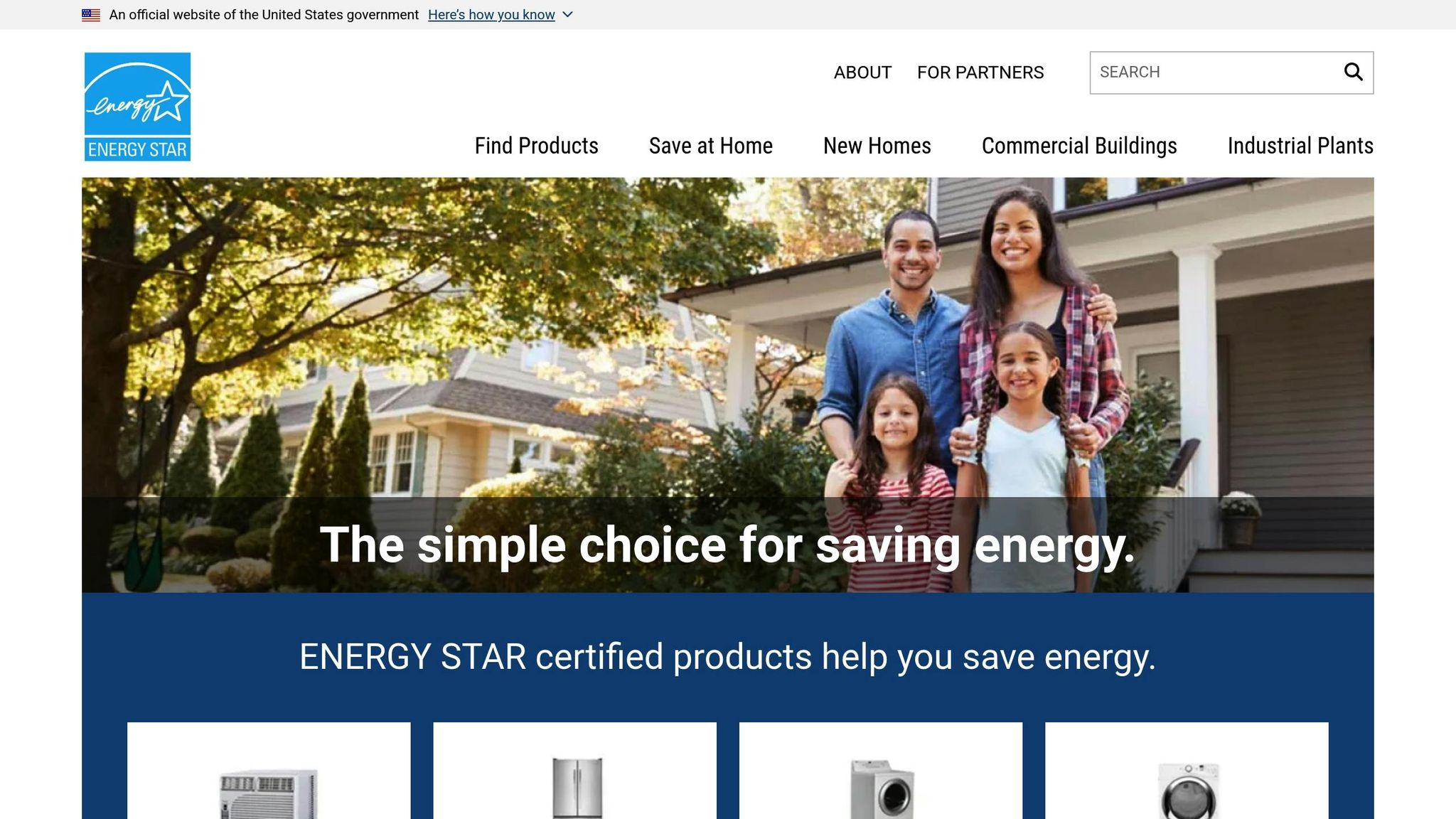
Switching to LED lighting and ENERGY STAR appliances is a simple way to cut energy costs and improve comfort – no major renovations required. These upgrades can be phased in over time, replacing bulbs and appliances as they wear out.
Energy Savings Potential
LED bulbs consume significantly less energy than traditional incandescent bulbs and last much longer, offering noticeable savings on electricity bills. Similarly, ENERGY STAR appliances are built to operate more efficiently than standard models, reducing overall household energy consumption and lowering utility costs.
Comfort Improvements
LED lighting provides flexibility with its range of color temperatures. Use warm tones (2700K–3000K) to create a relaxing atmosphere in living spaces, and opt for cooler tones (5000K–6500K) for bright, focused work areas. Many LED options also include dimming features, allowing you to customize the ambiance to suit your mood or activity.
ENERGY STAR appliances go beyond efficiency – they’re designed for quieter operation. For example, washing machines with reduced vibration and dishwashers with low-noise technology make for a more peaceful home. This is especially valuable for families with young children or anyone working remotely.
Cost-Effectiveness
While LED bulbs may have a higher upfront cost, their energy savings and extended lifespan often make up for it in less than a year. ENERGY STAR appliances, though initially more expensive, are made more affordable through rebates and federal incentives. Programs like those under the Inflation Reduction Act can help offset costs even further. Over time, the energy savings from these appliances will more than recover the initial investment.
Many utility companies also offer rebates for qualifying products, making these upgrades even more budget-friendly. Over the years, the combination of lower energy use and financial incentives ensures these appliances pay for themselves.
Suitability for New and Existing Homes
LED bulbs are compatible with most existing fixtures and are gentle on older electrical systems, making them a hassle-free upgrade. ENERGY STAR appliances work well in both new constructions and retrofits – just make sure to check space and electrical requirements when replacing older units.
Up next: Learn how high-performance windows and doors can take your home’s energy efficiency to the next level.
5. High-Performance Windows and Doors
Upgrading to high-performance windows and doors can significantly improve your home’s energy efficiency by creating a thermal barrier that helps prevent energy loss caused by air leaks around openings.
Energy Savings Potential
Old or inefficient windows and doors can put a strain on your heating and cooling systems. High-performance models, like those with double or triple-pane glass and low-emissivity (Low-E) coatings, are designed to reduce unwanted heat transfer. When choosing windows, focus on options with a low U-factor, which indicates better insulation. Similarly, energy-efficient doors with insulated cores and proper weatherstripping are excellent for reducing drafts and easing the workload on your HVAC system.
These upgrades not only improve thermal performance but also align well with smart home technologies, helping you optimize energy use more effectively.
Comfort Improvements
High-performance windows make a noticeable difference in comfort by eliminating cold spots near glass surfaces. Thanks to Low-E coatings, these windows reflect heat back into your home during chilly winters and reduce solar heat gain in the summer, keeping indoor temperatures steady year-round.
Beyond temperature control, these windows and doors help block outside noise, creating a quieter indoor environment. Additionally, advanced coatings can shield your furniture and flooring from harmful UV rays while still allowing natural light to brighten your space.
Cost-Effectiveness
The initial investment in upgrading windows and doors depends on the quality of the products and the installation process. However, many homeowners find that energy savings over time offset these costs. Plus, tax credits and rebates can help reduce the upfront expense, making the upgrade more accessible.
Another bonus? These improvements often increase your home’s resale value, making them a smart long-term choice.
Suitability for New and Existing Homes
For existing homes, replacing windows can be a highly effective upgrade. However, precise measurements and professional installation are crucial to ensure a proper fit and seal. In older homes, a full-frame replacement may also be needed to address structural concerns and maximize energy performance.
In new construction, you have the advantage of selecting and integrating windows and doors that perfectly complement the home’s thermal envelope, achieving top-tier energy efficiency without the challenges of retrofitting.
Next: Discover how smart home technology can optimize your energy use and enhance family comfort.
sbb-itb-ac224c7
6. Smart Home Energy Management
Smart home technology is reshaping how families manage their energy use. These systems adapt climate control, lighting, and appliance settings to fit daily routines, helping to lower energy bills while making life more comfortable.
Energy Savings Potential
Smart thermostats are a game-changer in energy management. They learn your household’s schedule and adjust temperatures to save energy when no one’s home. Similarly, smart power strips cut off power to devices in standby mode, reducing unnecessary energy use.
Whole-home energy monitoring systems offer real-time insights into energy consumption, helping families identify which appliances use the most power and adjust their habits accordingly. Smart lighting systems, equipped with motion sensors and daylight harvesting, cut lighting costs by ensuring lights are only on when needed. Some systems even work with time-of-use electricity rates, scheduling energy-heavy tasks like running dishwashers or washing machines during cheaper, off-peak hours.
Comfort Improvements
Smart systems don’t just save energy – they also make your home more comfortable. Features like zone-based climate control and occupancy sensors automatically adjust settings for each room, ensuring every space feels just right.
Control is effortless with voice commands and apps, letting you tweak settings without disrupting your day. Geofencing technology can even prepare your home for your arrival by pre-cooling or pre-heating it as you approach. Plus, smart humidity controls work alongside HVAC systems to maintain the perfect moisture levels for a comfortable environment.
Cost-Effectiveness
If you’re just getting started, a smart thermostat is a great first step. You can expand your system over time, spreading out costs while gradually improving your home’s energy efficiency with each new addition.
Suitability for New and Existing Homes
Smart energy management works well for both new and existing homes. Many devices are easy to install and don’t require major changes to your home’s wiring. However, if your home has an older electrical panel, you might need an upgrade to support advanced systems like whole-home energy monitoring.
For new homes, the possibilities are even greater. Builders can incorporate smart home features from the start, such as pre-wiring for smart switches, installing compatible HVAC systems, and ensuring strong network coverage. This can include advanced options like smart electrical panels, offering detailed monitoring and remote control capabilities – features that can be more complex to add to older homes. Starting fresh with these integrations makes future energy upgrades even easier.
7. Water Heating Efficiency Upgrades
Water heating is a major energy consumer, second only to HVAC systems. Upgrading to more efficient water heating systems can help reduce energy bills while ensuring a reliable supply of hot water.
Modern options such as tankless, heat pump, and hybrid water heaters are designed to minimize energy waste. For example, tankless systems heat water only as needed, eliminating standby energy losses. Meanwhile, heat pump water heaters use electricity to draw heat from the surrounding air and transfer it to the water, offering greater efficiency compared to traditional models.
Energy Savings Potential
Switching to a tankless water heater can lead to noticeable energy savings, especially for households with moderate hot water demands. Heat pump water heaters also deliver high efficiency, which can translate to significant annual savings on electricity bills, particularly in regions with suitable climates. Solar water heating systems, while requiring a higher upfront investment, can yield even greater savings over time. Additionally, federal incentives can help offset these initial costs, making solar systems a compelling option for long-term energy savings.
Comfort Improvements
Efficient water heating upgrades go beyond saving energy – they also enhance daily comfort. Tankless systems, for example, provide an uninterrupted supply of hot water during peak usage times, making them ideal for larger households. When combined with modern recirculation pumps, these systems can dramatically reduce the time it takes for hot water to reach distant faucets, ensuring hot water is available quickly throughout the home. Many newer systems also feature advanced temperature controls with programmable settings, allowing you to tailor your hot water supply to match your schedule and preferences.
Cost-Effectiveness
Although efficient water heating systems often come with a higher upfront price tag, their long-term benefits can make them a smart financial choice. Tankless water heaters, for example, are built to last longer than traditional models, reducing the frequency of replacements. Additionally, many heat pump and hybrid systems qualify for federal tax credits and local utility rebates. These incentives help lower the initial investment and shorten the payback period, making these systems more cost-effective in the long run.
Suitability for New and Existing Homes
Whether you’re retrofitting an older home or building a new one, efficient water heating systems can be a great addition. In older homes, some adjustments – like upgrading gas lines, electrical systems, or ventilation – might be required. However, many installations can use the existing infrastructure to keep costs manageable. For new constructions, there’s even more flexibility to optimize equipment placement and seamlessly integrate efficient water heating solutions into the overall energy design of the home.
Tralon Homes incorporates efficient water heating systems in their Colorado Springs, Monument, and Peyton communities, ensuring homeowners enjoy top performance and savings from the very start.
8. Energy-Efficient Home Designs by Tralon Homes
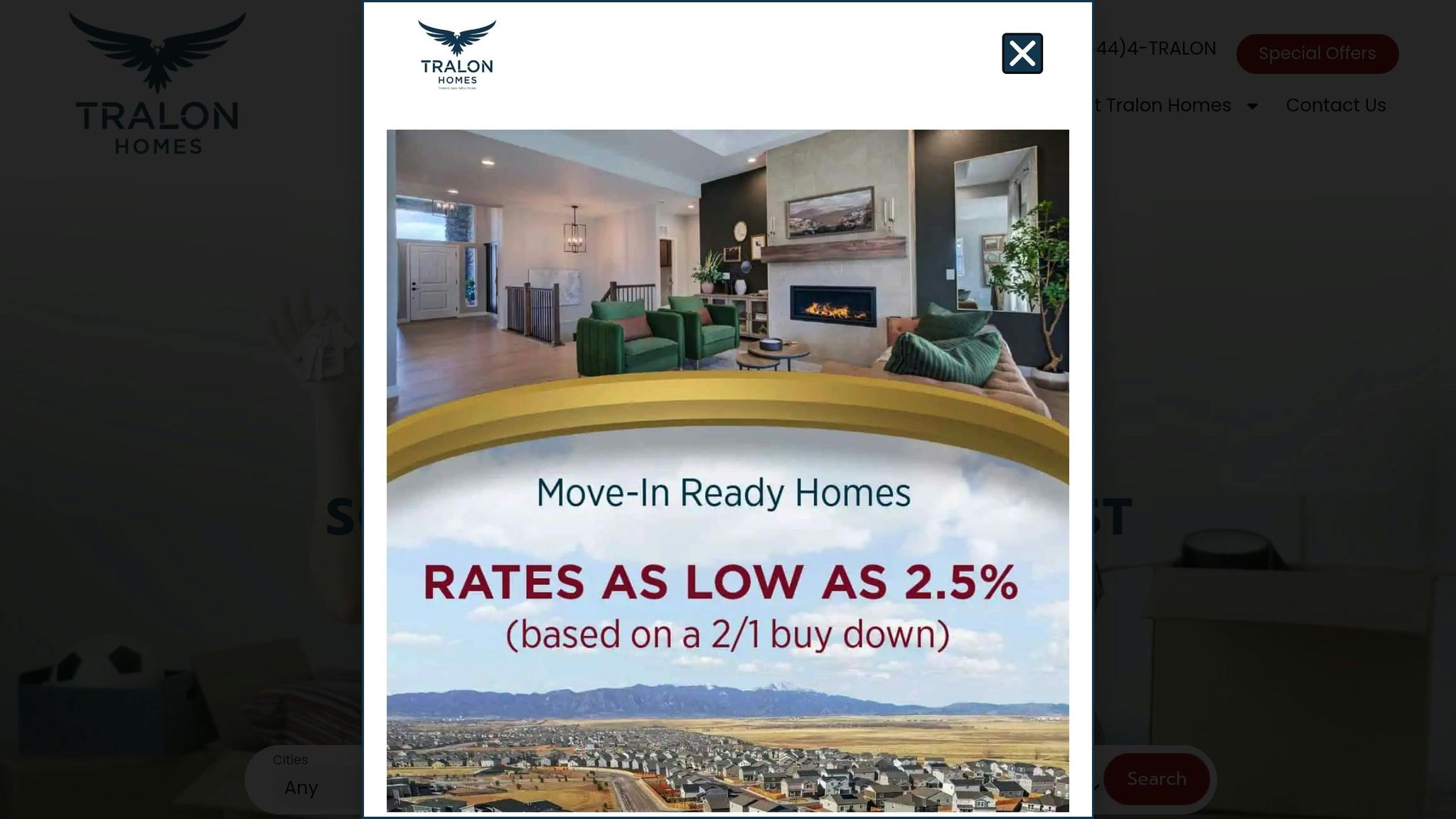
When building a new home, starting with energy-saving features from the ground up is one of the best ways to reduce energy use and create a more comfortable living space. Unlike retrofitting older homes, new construction allows for seamless integration of energy-efficient solutions. Since 2009, Tralon Homes has been at the forefront of energy-efficient homebuilding in Colorado, completing over 5,200 homes across 48 subdivisions. Their approach incorporates a variety of proven energy-saving technologies into every home they build.
Tralon Homes’ designs include advanced insulation systems, air sealing techniques, and strategic orientation to take advantage of natural light while minimizing heat gain and loss. Whether it’s a ranch-style home with a main-level master bedroom or a two-story design, these features are standard, ensuring energy efficiency without compromising comfort. This all-in-one approach helps homeowners save energy year-round while enjoying a more comfortable living environment.
Energy Savings Potential
Tralon Homes’ energy-efficient designs are engineered to lower monthly utility bills significantly. Their ENERGY STAR-certified homes feature high-efficiency HVAC systems, state-of-the-art insulation, and thoughtful home orientation to reduce energy costs. Homeowners often see noticeable savings during Colorado’s extreme winters and warm summers, as these homes are built to handle the state’s fluctuating climate.
By focusing on whole-house energy efficiency, Tralon ensures that all systems work in harmony, delivering better results than retrofitting individual upgrades into an older home. Additionally, federal tax credits and local utility rebates for energy-efficient new construction can help offset the upfront costs of these advanced features, making them more accessible for buyers.
Comfort Enhancements
Tralon Homes’ designs prioritize both energy efficiency and comfort. Their construction methods address common issues like drafty rooms, uneven temperatures, and excessive humidity. Features such as superior air sealing and high-performance insulation help maintain a consistent indoor climate, regardless of the weather outside. Natural light optimization and draft prevention also contribute to a healthier and more enjoyable living space.
These comfort-focused features are particularly beneficial for military families, who often spend extended periods at home during deployments or remote work assignments. By eliminating discomforts like temperature swings and drafts, Tralon Homes creates a living environment that feels stable and welcoming.
Cost-Effectiveness
Incorporating energy-efficient features during the construction phase is far more cost-effective than adding them later. Tralon Homes integrates these features into the building process, which optimizes labor and material costs while avoiding the disruptions and added expenses of retrofitting. This approach not only saves money upfront but also reduces long-term operating costs.
As a VA loan-approved builder, Tralon Homes offers financing options that allow buyers to spread the cost of energy-efficient upgrades over the life of their loan. This provides immediate monthly savings on utility bills, while the long-term value of these homes increases due to their modern efficiency and lower operating expenses.
Tailored for New Construction
Tralon Homes specializes exclusively in new builds, enabling them to implement the latest energy-efficient building codes and technologies. Their move-in ready homes and quick possession options come with pre-selected energy-saving features, while custom homebuyers can choose specific upgrades to suit their needs and budget.
With extensive experience building homes near Fort Carson, Peterson Space Force Base, and the Air Force Academy, Tralon Homes understands the unique needs of military families. Every home in their communities is designed with energy efficiency in mind, ensuring residents benefit from reduced utility costs and improved comfort from the moment they move in. This thoughtful approach sets the stage for homeowners to enjoy the full advantages of energy-efficient living.
Upgrade Comparison Table
Here’s a detailed breakdown of various home upgrades, including their costs, potential savings, comfort perks, available incentives, and payback periods:
| Upgrade Type | Upfront Cost Range | Annual Energy Savings | Comfort Improvements | Available Incentives | Payback Period |
|---|---|---|---|---|---|
| Solar Panel Systems | $15,000 – $25,000 | $1,200 – $2,400 | Reduced reliance on the grid; potential backup power | 30% federal tax credit through 2025 | 8–12 years |
| High-Efficiency HVAC | $3,500 – $8,000 | $400 – $800 | Consistent temperatures; better humidity control | Up to $2,000 federal credit for heat pumps | 6–10 years |
| Insulation & Air Sealing | $2,500 – $6,000 | $300 – $600 | Fewer drafts; steadier indoor temperatures | 30% federal credit up to $1,200 annually | 5–8 years |
| LED Lighting & ENERGY STAR Appliances | $500 – $3,000 | $150 – $400 | Better lighting quality; quieter appliances | Utility rebates (varies by provider) | 2–5 years |
| High-Performance Windows | $8,000 – $15,000 | $200 – $500 | Reduced noise; less condensation; UV protection | 30% federal credit up to $600 annually | 12–20 years |
| Smart Home Energy Management | $200 – $1,500 | $100 – $300 | Remote control; automated scheduling | Utility rebates up to $100 | 3–7 years |
| Water Heating Upgrades | $1,200 – $4,500 | $200 – $500 | Faster recovery; steady hot water supply | Up to $2,000 federal credit for heat pump water heaters | 4–8 years |
This table serves as a useful guide for evaluating both the financial and practical benefits of these upgrades.
Federal tax credits, such as the Energy Efficient Home Improvement Credit, allow homeowners to deduct 30% of qualifying expenses (up to $1,200 annually or $2,000 for heat pump systems) through December 31, 2025. However, these credits only apply to improvements made to existing homes and cannot exceed your tax liability. Starting in 2025, any qualifying items must include a Qualified Manufacturer Identification Number (QMID) on your tax return.
Pairing upgrades can amplify savings and comfort. For instance, combining insulation improvements with a high-efficiency HVAC system can lead to greater energy reductions than either upgrade alone. Adding a smart home energy management system to the mix can further enhance efficiency by automating energy use in line with your household’s schedule.
For residents in Colorado Springs, specific upgrades can be particularly impactful. With its temperature extremes, enhancements like better insulation and high-efficiency HVAC systems can make a noticeable difference. The area’s abundant sunshine also makes solar panel systems a smart investment. Additionally, many local utility providers offer rebates that can help reduce upfront costs even further.
Conclusion
Energy-efficient home improvements offer more than just lower utility bills – they bring lasting comfort and reduce environmental impact. With government incentives available to help offset costs, now is an ideal time to consider investing in these upgrades.
The benefits go beyond financial savings. Enhanced insulation reduces drafts, high-efficiency HVAC systems ensure steady indoor temperatures, and LED lighting provides excellent illumination while using less energy. Together, these updates create homes that are not only more comfortable but also kinder to the planet.
For families considering new construction in the Colorado Springs area, Tralon Homes integrates energy-efficient features into every design. Their homes are built to handle Colorado’s unique climate, with high-performance insulation and advanced HVAC systems that ensure year-round comfort. This built-in efficiency simplifies the moving process, especially for military families.
Military families relocating to Fort Carson, Peterson Space Force Base, or the Air Force Academy can enjoy homes that are move-in ready with energy-efficient systems already in place – eliminating the need for costly upgrades. Tralon Homes offers ranch-style and two-story designs in Colorado Springs, Monument, and Peyton, providing comfort and affordability from the moment you move in.
Whether you’re upgrading your current home or planning to build new, energy-efficient features deliver a winning combination of comfort, savings, and reduced environmental impact – making them a smart choice for any family.
FAQs
What are the financial advantages of making multiple energy-efficient upgrades to my home?
Investing in energy-efficient upgrades can pay off in a big way over time. By cutting down on energy use, you’ll notice lower utility bills each month – potentially saving you hundreds or even thousands of dollars in the long run. But the benefits don’t stop there. Homes with energy-efficient features often sell more quickly and at higher prices, boosting your property’s resale value.
These upgrades aren’t just about saving money – they also make your home more attractive to future buyers. Whether it’s installing solar panels or switching to LED lighting, each improvement adds to a more comfortable and budget-friendly living space for your family.
How do features like solar panels and energy-efficient windows increase a home’s resale value?
Energy-efficient upgrades like solar panels and high-performance windows can give your home’s resale value a serious boost. Take solar panels, for instance – they can raise property values by 4% to 10%, which could mean thousands of extra dollars depending on the size of your home. On the other hand, adding Energy Star-rated windows might increase your home’s value by $10,000 to $15,000. Plus, these windows often deliver a return on investment between 68% and 85%.
But it’s not just about the numbers. These upgrades cut down on energy costs and make your home more attractive to buyers by offering long-term savings and added comfort. If you’re looking for a way to make your home stand out in the market, investing in energy-efficient features is a smart move.
What should you consider when adding energy-efficient features to older homes versus new construction?
Retrofitting older homes with energy-saving upgrades can be a bit tricky, as it often involves working around pre-existing structures. This might mean upgrading insulation, modernizing HVAC systems, or even rewiring. While these projects can come with higher initial costs and some temporary inconvenience, they allow homeowners to maintain the charm and character of their house while significantly improving energy efficiency and cutting down on long-term utility expenses.
On the other hand, building a new home provides the chance to integrate modern energy-efficient features – like solar panels, cutting-edge insulation, and smart home technology – right from the blueprint stage. This approach not only leads to more efficient designs but also offers lower upkeep costs and greater comfort for families in the long run.


